Static help website

Setup help and troubleshooting guidance for myrepeater.net and common Wi-Fi extenders.

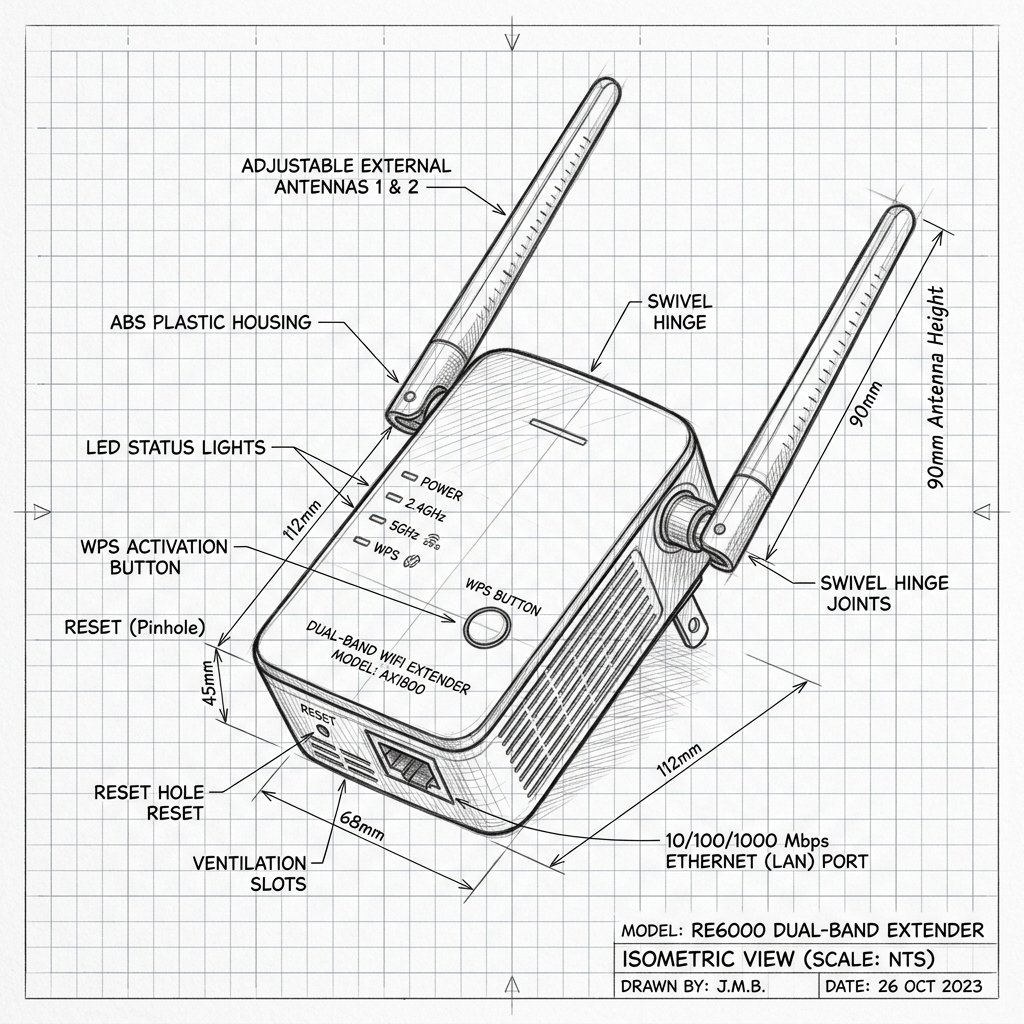
myrepeater.net is described as a local configuration address that routes users to a repeater’s embedded admin interface so they can configure operating modes, SSIDs, and security settings without memorizing a private IP address. The uploaded document explains that these devices rely on local DNS interception, often start on a private subnet such as 192.168.10.1, and are used to extend wireless coverage into dead zones created by distance and physical obstructions.

From the uploaded guide

How myrepeater.net works

The document explains that an unconfigured repeater can broadcast a temporary wireless network, run a DHCP service, and answer local DNS requests so typing http://myrepeater.net opens the built-in setup page even when no internet connection is available.

It also notes that many white-label devices share common setup logic, default credentials, and repeated operational modes such as Repeater Mode, Access Point Mode, Router Mode, or WISP mode depending on the hardware variant.

Initial network state

During initial setup, the repeater usually acts as the local gateway for a temporary subnet and assigns the connected device an address through DHCP.

Fallback IP access

If the domain fails, direct IP access may work, especially when the gateway shows a private address such as 192.168.10.1 or another vendor variant.

Post-setup change

After setup, the repeater may stop responding on its factory address and instead take a new IP from the primary router’s DHCP pool.

Security basics

Default credentials should be changed quickly because many generic devices use the same admin login values out of the box.

Access issues

Fix problems when myrepeater.net does not resolve, the browser shows site errors, or the setup page redirects incorrectly.

Network setup

Understand DHCP, local DNS interception, repeater mode, access point mode, and why the device may use a different private IP after setup.

Performance and security

Learn why single-radio repeaters can be slower, when wired AP mode is better, and why default passwords and public spoofed setup domains are risky.

Explore the site

Use the FAQ page for structured answers and the blog section for future topic clusters.

Build future articles around single search intents such as login help, reset steps, no-internet errors, and access-point vs repeater comparisons.